I’m So Grateful My School Was Ready for Sudden Cardiac Arrest; Why You Shouldn’t Assume Yours Is.
Half of parents wrongly assume teams have AEDs and trained coaches. My son’s survival proves why preparation matters.
By Jennifer Davis, The Spencer Davis Foundation, Hollidaysburg, PA
It’s the season of reflection and I’m thinking back to around this time last year and how grateful I am that my community was one that thought ahead to preparing for worst case scenarios.
As parents, thinking we’re prepared isn’t the same as being prepared—especially when our kids’ lives are on the line. Yet new national data show that half of parents wrongly assume their child’s sports team has an Automated External Defibrillator (AED).
Even more believe coaches are trained to use one. The truth? There’s no federal requirement for AEDs in schools or youth sports.
But assumptions don’t save lives. Preparation does.
My son Spencer was just 16 when he collapsed during football practice at our high school in rural Pennsylvania. His heart had stopped. No warning, no symptoms—just sudden cardiac arrest, the number one cause of death among student athletes.
The only reason he survived is because his school was ready.
Our athletic trainer and athletic director had made sure there was a rehearsed Emergency Action Plan (EAP). There was an Automated External Defibrillator (AED) right on-site—not tucked away in a locked office, not back in the building, but where it could be reached in seconds. And our coaches weren’t just “certified” in CPR on paper—they had practiced it. They were ready to use it when it mattered.
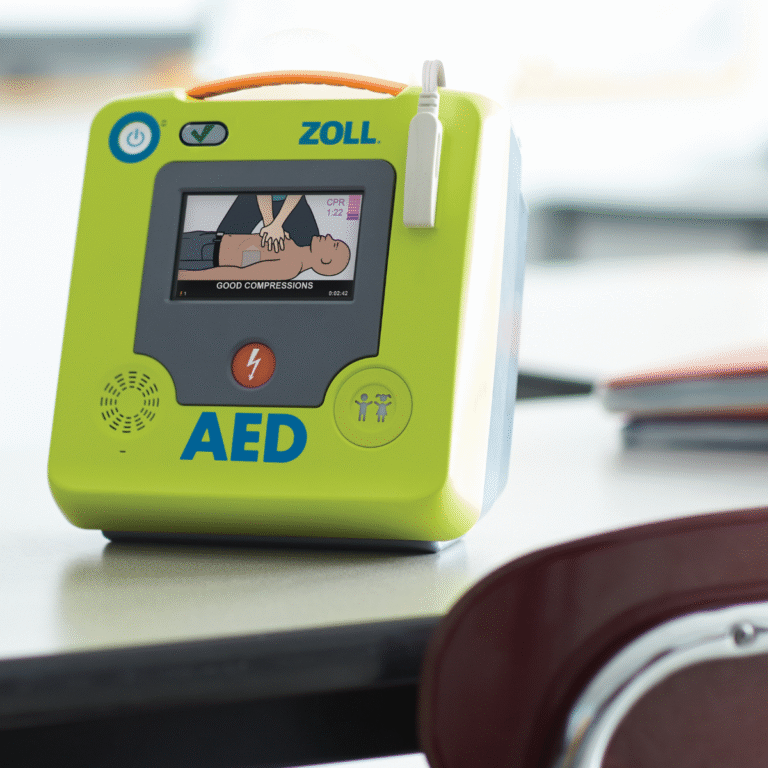
While we waited 13 excruciating minutes for EMS to arrive, three coaches and a police officer took turns performing CPR, guided by the AED’s audio and visual prompts: “Shock advised.” “Resume CPR.” “Push harder.” Those commands gave them clarity in chaos. And they gave Spencer his life back. By the time paramedics arrived, his heart was beating again.
What if they hadn’t had an AED? What if no one had known what to do?
That’s a question no parent should have to ask after it’s too late.
We all remember watching Damar Hamlin collapse during an NFL game in 2023. He was diagnosed with Commotio Cordis, the same as Spencer. He had a team of trained professionals, top-tier medical equipment, and a well-drilled emergency response team. But our kids? They usually have coaches, parents, and volunteers. That’s why every team needs a plan and every field needs an AED.
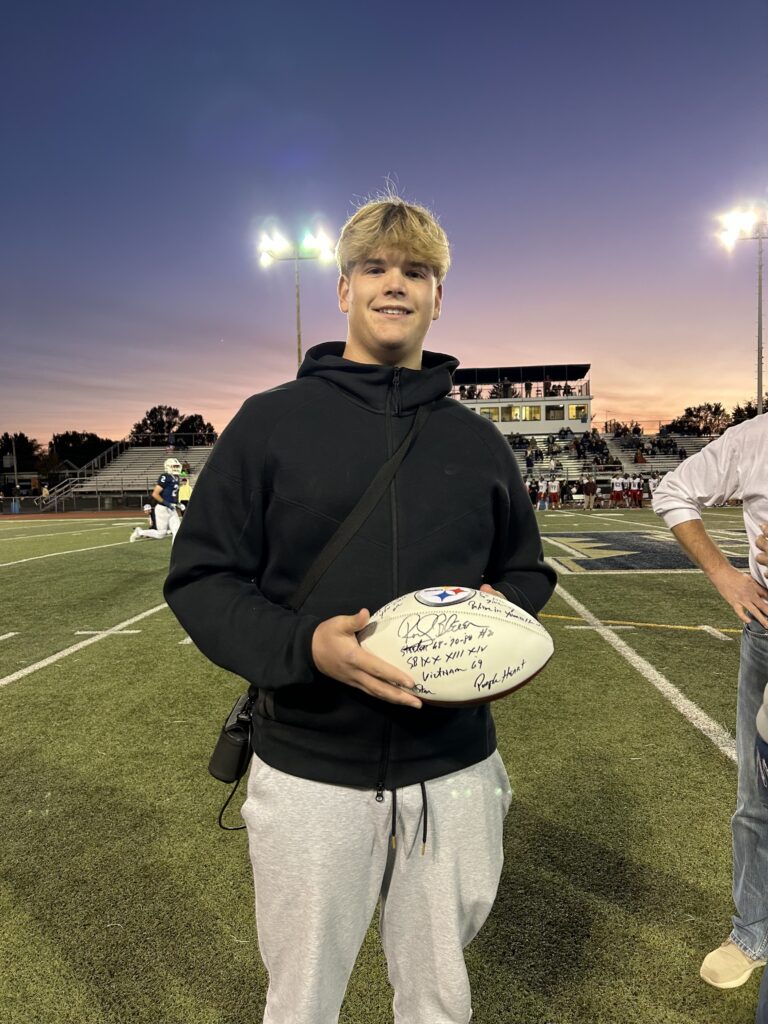
After Spencer’s cardiac arrest, I started asking questions—and was shocked by the answers. New Harris Poll data from ZOLL’s “Anything Can Happen. Anyone Can Help™” campaign reveals:
- 57% of parents believe all youth coaches are required to have CPR and AED training.
- 50% assume their child’s team has access to an AED.
- And 53% don’t actually know whether an AED is available at practices or games.
Assumptions don’t save lives. Preparedness does.
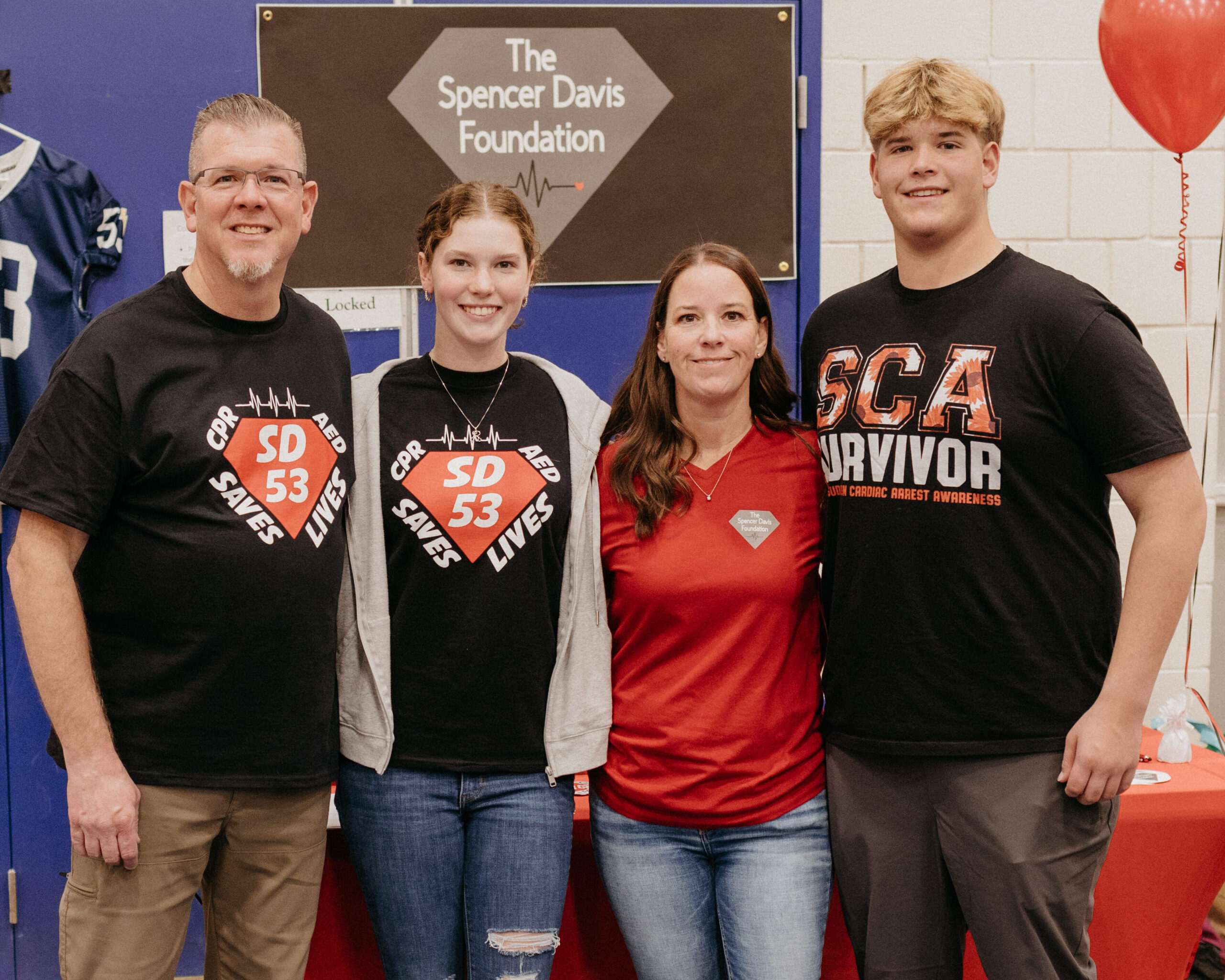
We created The Spencer Davis Foundation to share what worked in our community and help others get ready before a crisis. Since then, we’ve partnered with lawmakers to support Pennsylvania Senate Bill 375, which would ensure AEDs, CPR training, and rehearsed emergency plans are in place in every school. But this isn’t just about Pennsylvania—this is a national issue.
Sudden cardiac arrest is fast, silent, and deadly. But it’s also survivable—if someone nearby acts quickly with the right tools.
Here’s what that looks like:
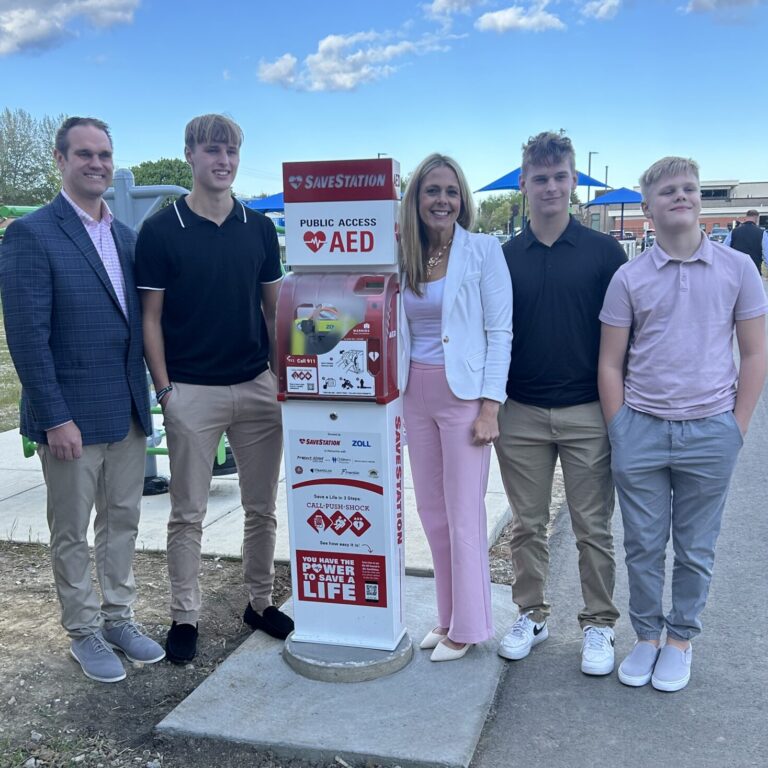
- AEDs should be readily available—not locked in an office, not across campus.
- Emergency Action Plans should be practiced—just like sports drills.
- Clear signage and simple instructions can empower anyone—a coach, a parent, even a student—to act.
Confidence to help in a cardiac emergency jumps from 48% to 74% when an AED provides real-time guidance. That support makes the difference between standing still and stepping in to save a life.
Parents: Don’t assume. Ask.
Is there an AED at your child’s game or practice? Are the coaches trained? Do they know the plan?
Coaches: Run a cardiac drill with your team. Know where the AED is. Practice like a life depends on it—because it just might.
Lawmakers: Pass legislation that ensures AEDs and emergency plans are standard, not optional.
And for those who want to help but don’t know where to start, resources like AnyoneCanHelp.com offer practical tools and information.
Our children are our hearts walking around outside our bodies. If that heart stops beating, they deserve someone nearby with the knowledge—and the equipment—to bring it back.
Spencer was saved because people were ready. And for that, I’m forever grateful. But as I also share my story to help other parents make sure every child has that same chance.
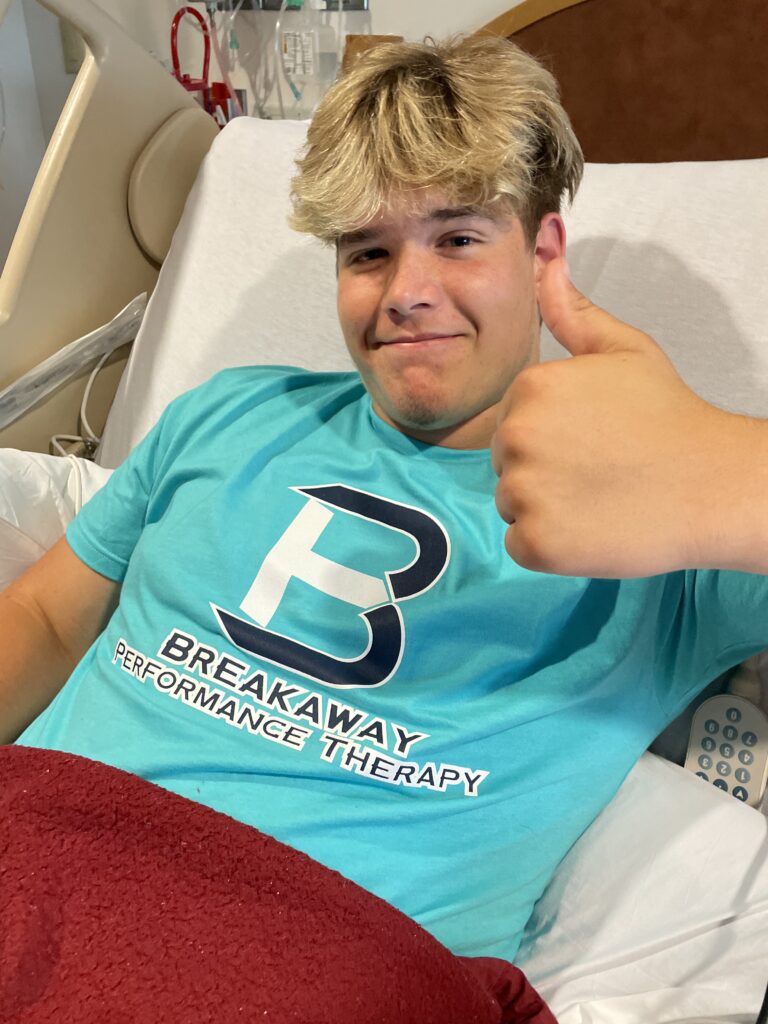
Jennifer Davis is the mother of Spencer Davis, a cardiac arrest survivor and high school junior in Hollidaysburg, PA. She is the co-founder of the Spencer Davis Foundation, advocating for AED access, CPR training, and emergency planning in schools and youth sports.