Why Knowing Where to Find an AED Could Help Save a Life
Too few people know where to find an AED when seconds count, and it could mean the difference between life and death.
When cardiac arrest strikes, every minute matters, and often it is not a doctor or EMT who saves a life, but a bystander who acts. Yet findings from a 2025 Harris Poll on behalf of ZOLL, show that while most people want to help, many would not know where to find or how to use the lifesaving tools needed to act quickly.
- 27% of Americans say they would not feel confident using an AED because they would not know where to find one.
- Only 52% feel confident using an AED at all, compared with 94% who feel confident calling 911 and 83% who feel confident using a fire extinguisher.
This confidence gap highlights how important it is to make AEDs not only available but also visible, intuitive, and easy to use when seconds count. Knowing where to find an AED and retrieving it quickly is critical to good outcomes.
The Three-Minute Rule That Saves Lives
An automated external defibrillator (AED) is the only device that can restart a heart during sudden cardiac arrest. Yet too often these lifesaving tools go unused, not because they are unavailable, but because people cannot find them fast enough.
Experts agree that using an AED within three minutes gives someone the best chance of survival. That is why it is not just about how many AEDs a community has, but where they are placed and whether they are visible, accessible, and ready when needed.
Think about your local gym, library, or youth sports field. If someone collapsed, would you know where the AED is or if there is one at all?
If not, you are not alone. And that uncertainty can cost lives.
How AEDs Work and Why Lost Time Costs Lives
When AEDs are hard to find, precious seconds slip away, and that lost time can mean the difference between life and death or between full recovery and lasting brain damage.
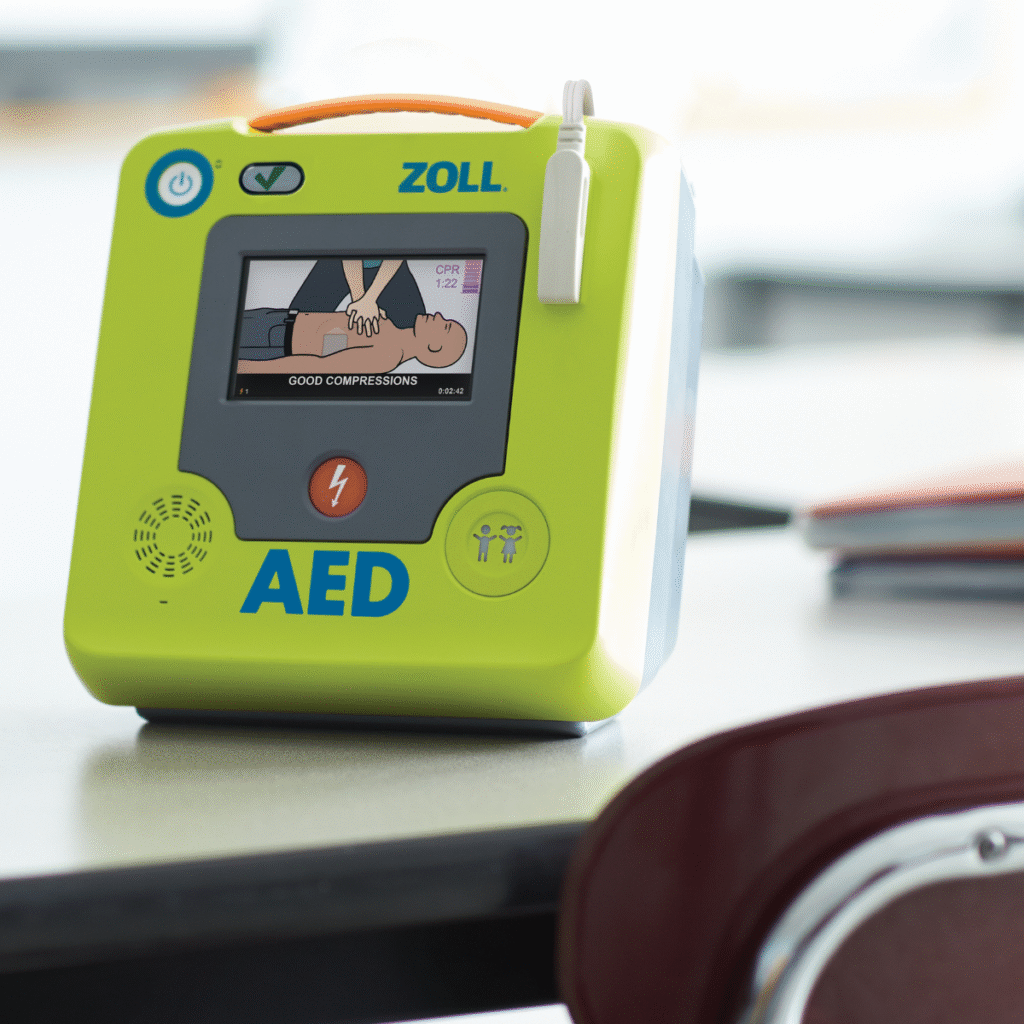
AEDs are designed for anyone to use. Once turned on, the device provides calm, step-by-step audio, visual and voice instructions that guide users on where to place the pads, when to begin CPR, and whether a shock is needed. It analyzes the heart rhythm automatically and delivers a shock only if required.
Nearly three quarters of Americans say they would feel more confident helping in an emergency if they had real time instructions and feedback, which is exactly what modern AEDs provide.
That confidence begins with awareness. When bystanders are aware of AEDs and they are easy to find, more bystanders are empowered to act, more lives can be saved, and communities become stronger through visibility and readiness.
A Movement to Make AEDs Findable
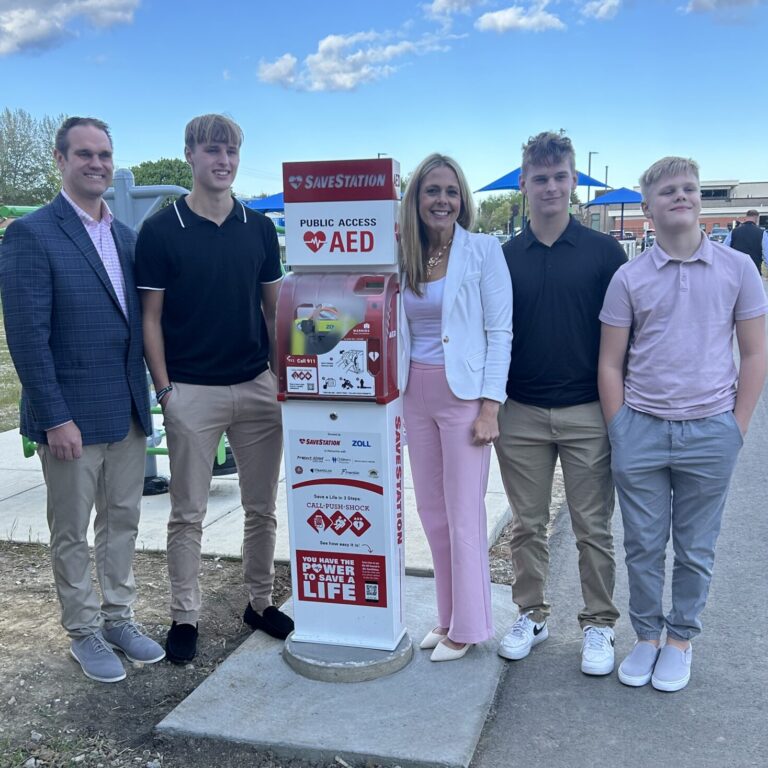
Across the country, a movement is building to make AEDs not just present, but findable. AED manufacturers like ZOLL Medical Corporation, public safety organizations, and community partners are working to close the gap between knowing and doing — because in a cardiac emergency, seconds matter.
To turn that momentum into impact, ZOLL Medical Corporation has partnered with the PulsePoint Foundation to accelerate growth of the National Emergency AED Registry, bringing more devices into one comprehensive, validated system.
Through the Anyone Can Register initiative, individuals and organizations can help expand the registry and ensure AEDs in their communities are visible when they’re needed most.

Source: The Harris Poll on behalf of ZOLL Medical from 2025